I desperately needed a beginner friendly travel etiquette guide for visiting in-laws abroad when I first stepped into my mother-in-law’s home in rural France. My palms sweated through my gift bag, and I panicked over basic greetings. Crossing borders to stay with your partner’s family brings unique cultural landmines. Getting things right comes down to simple respect, clear communication, and knowing what to expect before you arrive.
Research Local Host Customs and House Rules Before Booking Flights
Family dynamics vary widely across cultures, and assuming your hosts run their home like your parents run theirs will cause friction. Months before departure, sit down with your partner and grill them about household norms. Ask specific questions about morning routines, shoe policies at the front door, and bathroom etiquette.
In Scandinavian and Japanese homes, tracking street shoes past the entryway is an unforgivable offense. In southern Spain, showing up for dinner before nine in the evening marks you as completely out of sync. Beginner Friendly Travel Etiquette Guide For Visiting In-Laws Abroad. Knowing these small details establishes your cultural baseline and shows your hosts that you care enough to adapt.
Pay close attention to how physical affection works within the family. Some families greet every guest with two kisses on the cheeks, while others expect a polite nod or a firm handshake. Let your partner guide your behavior so you do not freeze during that crucial first greeting at the arrivals gate.
Master the Art of Selecting Thoughtful Host Gifts
Never show up to an international household empty-handed. Arriving with a thoughtful present immediately establishes warmth and demonstrates goodwill, especially when you are crossing oceans to meet family.
Choose items that represent your home region. A tin of high-grade maple syrup, small-batch bourbon, artisanal chocolates, or local roasted coffee beans from your city make incredible conversation starters. Beginner Friendly Travel Etiquette Guide For Visiting In-Laws Abroad. Bringing a thoughtful token represents a core step in any beginner friendly travel etiquette guide for visiting in-laws abroad, because it instantly softens first impressions.
Avoid generic airport duty-free items whenever possible. Be aware of local gift-giving taboos as well. In China, giving a clock symbolizes death, and in many European countries, gifting an even number of flowers or chrysanthemums is reserved exclusively for funerals. A well-chosen regional gift wrapped neatly in quality paper will win over even the most skeptical in-laws.

Mastering a Beginner Friendly Travel Etiquette Guide for Visiting In-Laws Abroad
Staying in someone else’s family home in another country demands serious emotional endurance and constant social awareness. Beginner Friendly Travel Etiquette Guide For Visiting In-Laws Abroad. You are not simply a tourist on vacation. You are stepping into an established family ecosystem with decades of unspoken rules, inside jokes, and deeply ingrained habits.
Your partner will naturally revert to their childhood role the moment they walk through their parents’ front door. This sudden personality shift can leave you feeling isolated or confused if you do not anticipate it. Expect odd family dynamics and observe rather than judge.
Keep your sense of humor intact when awkward moments arise. Mispronouncing a word, fumbling with a strange bathroom fixture, or putting a utensil in the wrong spot will happen. If you approach these moments with humility and a self-deprecating laugh, your hosts will embrace you as family rather than an awkward stranger.
Adapt to Daily Household Rhythms and Mealtime Rituals
Mealtimes carry immense emotional significance across almost every culture on the planet. Beginner Friendly Travel Etiquette Guide For Visiting In-Laws Abroad. The dinner table is where family bonds solidify, memories are shared, and cultural traditions come alive.
Follow the host’s lead during every single meal. Wait for the head of the household or the eldest person at the table to sit and begin eating before you touch your fork or chopsticks. In cultures across East Asia and the Mediterranean, refusing a second helping of food can deeply offend the cook. Take small initial portions so you have room to accept seconds enthusiastically.
Learn local table manners before you sit down. In Germany, cutting potatoes with a knife used to signal that the chef had not cooked them properly, while in Italy, ordering a cappuccino after eleven in the morning raises eyebrows. Compliment the food with specific praise. Tell the cook the dish tastes incredible and ask about the ingredients. Food compliments cross language barriers faster than any dictionary.

Bridge Language Barriers and Communication Dynamics Gracefully
Sitting at a bustling dinner table where you understand only twenty percent of the conversation feels mentally exhausting. Beginner Friendly Travel Etiquette Guide For Visiting In-Laws Abroad. Your brain works overtime trying to parse tone, gestures, and rapid dialogue.
Download an offline translation app like DeepL or Google Translate before your flight takes off. Learn ten essential phrases in your hosts’ native language, including please, thank you, good morning, excuse me, and that was delicious. Using basic words shows genuine humility and respect. Your pronunciation might sound comical, but your effort will earn instant respect from everyone around the table.
Following a practical beginner friendly travel etiquette guide for visiting in-laws abroad means accepting awkward silences with good humor rather than escaping into your smartphone. Staring at your screen during family time sends a loud message that you are bored or disengaged. Put your phone away in your pocket and stay present through eye contact, nodding, and warm facial expressions. Handle Privacy, Rest, and Emotional Boundaries Under One Roof.
Socializing in a second culture drains your social battery rapidly. When you spend all day translating phrases in your head and monitoring your manners, you need quiet time to recharge.
Schedule intentional solo downtime each afternoon.Foolproof Travel Packing Advice For Diabetics Managing.
Take a solo thirty-minute walk around the neighborhood to grab a coffee or read a book in a nearby park. Frame your solo outings as a desire to explore the local area so your hosts do not think you are avoiding them. Tell them you love morning strolls or want to photograph the local architecture.
If the host home has limited space and sharing a single bathroom creates intense friction, talk with your partner about booking a boutique hotel nearby. Some families view outside accommodations as an insult, while others welcome the extra breathing room. Let your partner assess their family’s temperament before making any external reservations.

Offer Genuine Help Around the House Without Overstepping
Jumping in to clear plates or wash dishes shows gratitude, but host cultures view domestic chores very differently. In some households, guests are treated like royalty, and stepping foot in the kitchen insults the host’s ability to provide hospitality.
Practice the two-offer rule for every domestic task. Offer to clear the table or wash dishes twice. If the host firmly declines your offer both times, step back graciously and thank them. Insisting on washing pots after the host tells you to sit down creates unnecessary tension.
Find subtle, indirect ways to help instead. Keep your guest bedroom spotless throughout your entire stay. Make your bed every morning, keep your luggage organized inside your suitcase, and hang up damp towels promptly. Pour water for everyone at the table during meals, or offer to carry heavy grocery bags from the car. These quiet acts of helpfulness never cause offense.
Manage Dining Out and Group Expenses Smoothly
Fighting over the bill at a restaurant can turn into an awkward standoff if you misread cultural cues. In many traditional cultures, the patriarch or matriarch will fiercely insist on paying for every group outing.
Attempting to grab the physical bill out of a proud father-in-law’s hand can embarrass him in public. This beginner friendly travel etiquette guide for visiting in-laws abroad recommends covering smaller grocery runs or bakery visits instead of staging an awkward fight over a massive dinner bill. Wake up early and buy fresh bread, pastries, and fruit for the family breakfast table.
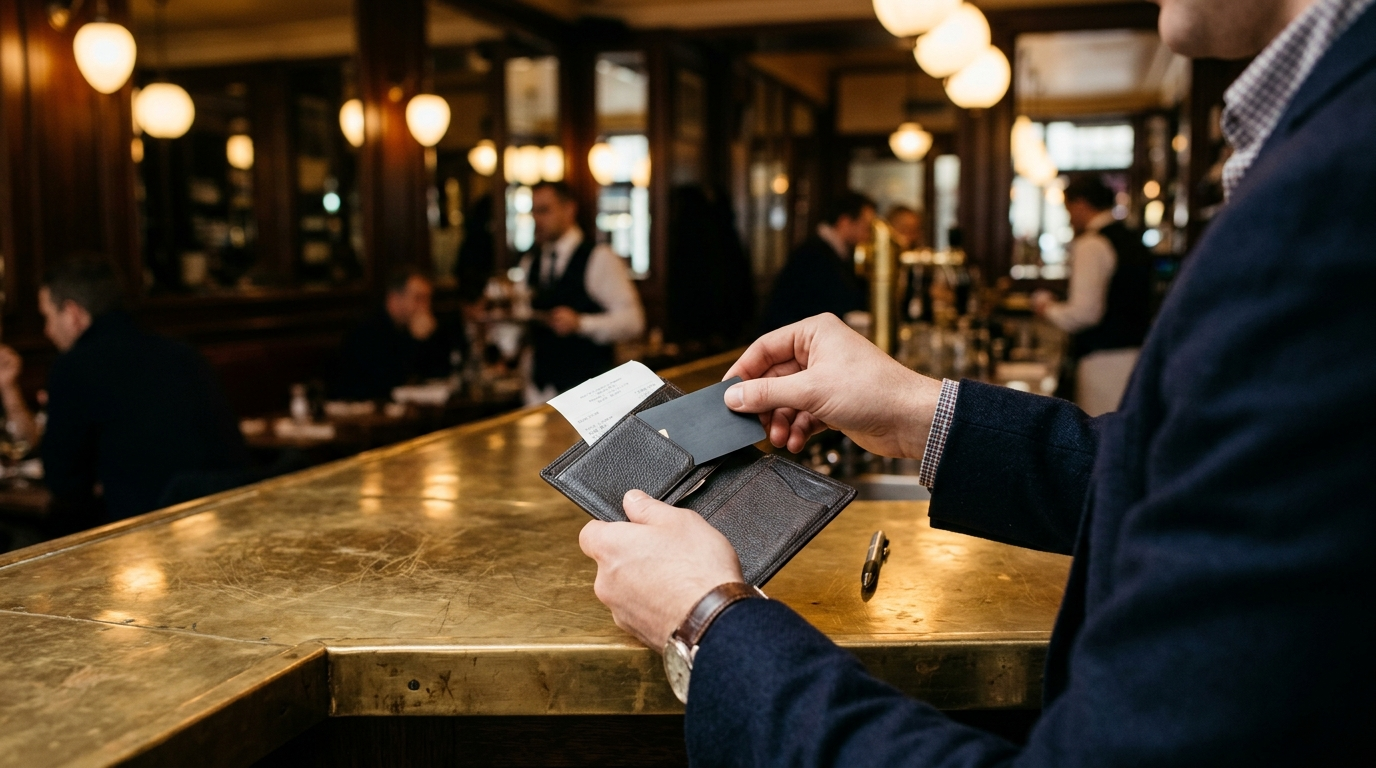
Another classy move involves stepping away from the table near the end of a restaurant meal, walking directly to the cashier, and settling the bill quietly before anyone notices. If the family strictly refuses to let you pay for meals out, purchase a top-shelf bottle of wine or high-end kitchen supplies for their home as a thoughtful reciprocal gesture.
Frequently Asked Questions
How should I greet my partner’s parents when meeting them for the first time?
Ask your partner beforehand whether physical contact is standard. In France or Italy, two cheek kisses are common, while in Japan a polite bow is expected. When in doubt, wait for the parents to initiate the greeting. A warm smile and polite eye contact always set a respectful tone.
What is the most practical beginner friendly travel etiquette guide for visiting in-laws abroad when sharing a bathroom?
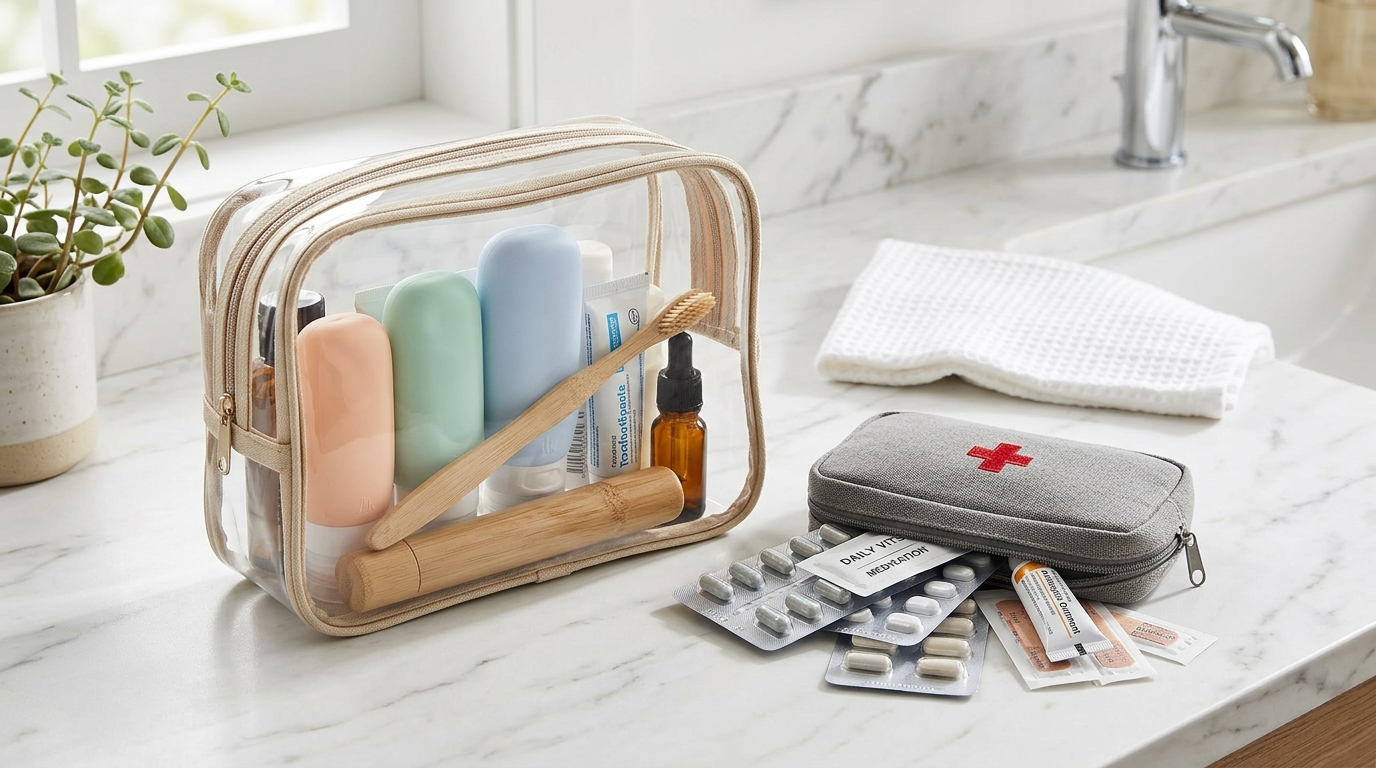
Keep your toiletries in a portable Dopp kit rather than spreading them across the counter. Ask about hot water limits, drainage quirks, and towel protocols immediately. Always wipe down the sink after use and leave the space cleaner than you found it to show basic household consideration.
Should we stay in their guest room or book a nearby hotel?
Staying under their roof honors traditional hospitality in many cultures, especially for first visits. If space is tight or privacy is critical for your sanity, discuss a hotel with your partner first. Frame the hotel booking around your sleep schedule so the hosts do not feel rejected.
How do I handle unfamiliar food that I genuinely dislike?
Take a modest portion and eat what you comfortably can. Compliment the presentation, aroma, or effort involved in preparing the meal. If you have genuine medical allergies or dietary restrictions, have your partner explain them weeks before your arrival so the cook does not feel insulted at dinner.
What should I do if I accidentally commit a major cultural mistake?
Apologize briefly, acknowledge the cultural misunderstanding with humility, and adjust your behavior immediately. Most families appreciate the effort an international guest makes and will overlook minor missteps if your attitude remains warm. Humor and self-awareness usually dissolve tension faster than prolonged, awkward groveling.
Conclusion
Visiting international in-laws feels intimidating, but showing genuine curiosity, patience, and humility will carry you through every cultural hurdle. Treat their home with care, laugh through the awkward moments, and enjoy the rare opportunity to experience another culture from the inside out. What is the most surprising cultural habit you have encountered while visiting family abroad?
One thought on “Beginner Friendly Travel Etiquette Guide For Visiting In-Laws Abroad”