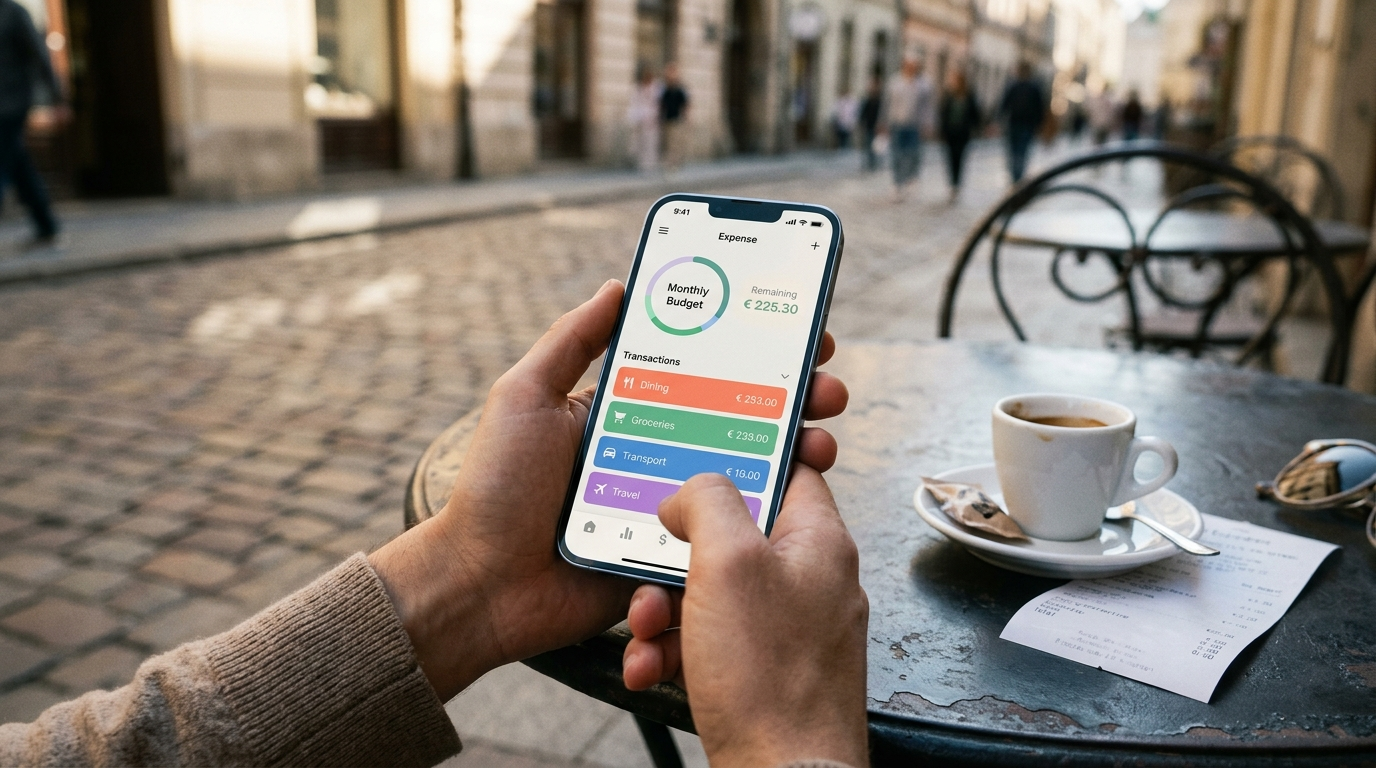
Finding easy travel eating tips for travelers with celiac disease transformed how I explore foreign cities after my initial diagnosis left me terrified of restaurants. Getting glutened thousands of miles from home ruins a dream vacation faster than lost luggage. You deserve to experience incredible destinations without constant gastrointestinal anxiety. Preparation replaces fear with pure excitement, letting you taste local cultures safely and confidently anywhere in the world.
1. Dedicated Translation Cards: Easy Travel Eating Tips for Travelers with Celiac Disease
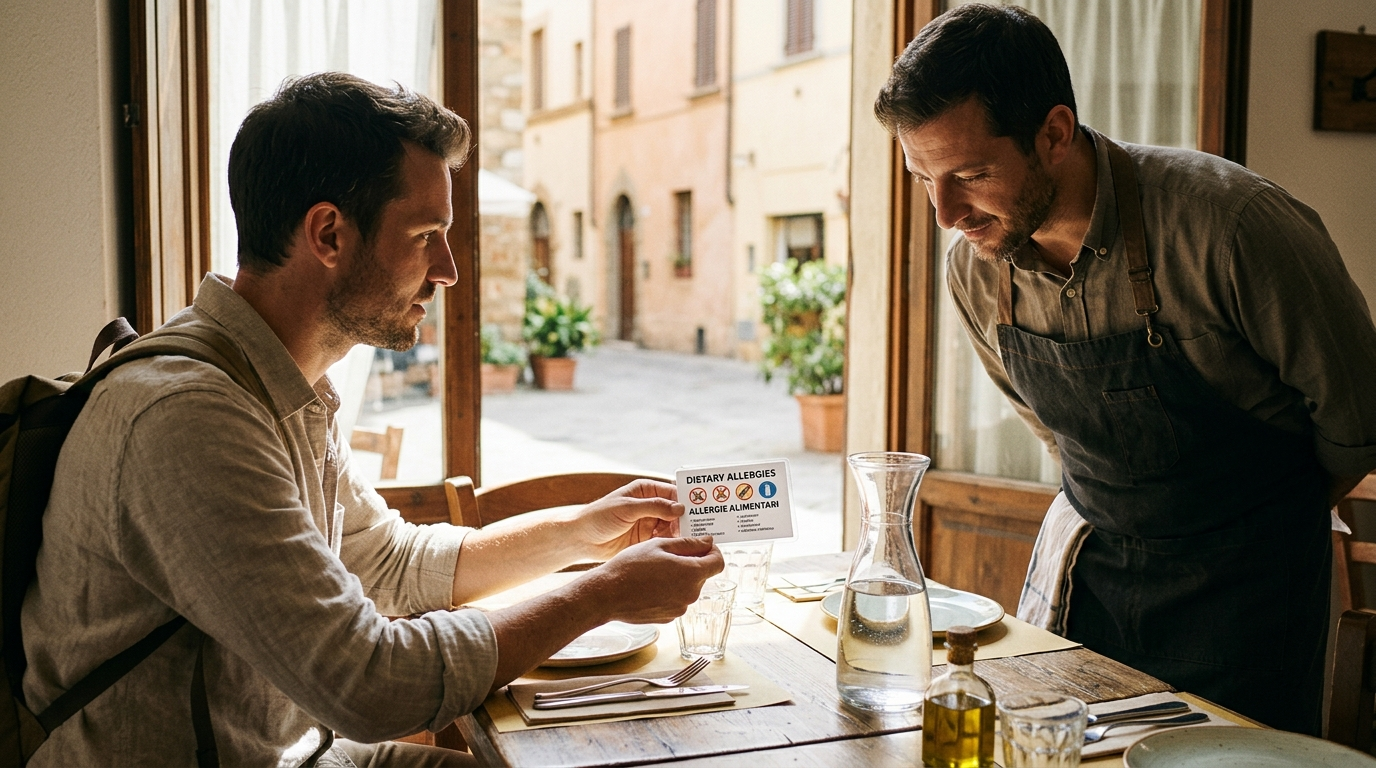
Laminated dietary cards clearly explain cross-contamination risks to restaurant servers in their native language. Handing a printed card to kitchen staff eliminates confusion caused by casual pronunciation mistakes or regional slang. It bridges communication gaps instantly and protects you in non-English speaking destinations.
Ordering professionally translated cards from Equal Eats provides comprehensive dietary breakdowns that address shared fryers, prep surfaces, and hidden wheat thickeners. Servers appreciate the clarity and routinely take the card straight back to the head chef. This simple step turns intimidating foreign dinners into relaxed cultural meals.
2. Filter Reviews on the Find Me Gluten Free App
Crowdsourced restaurant directories help you spot certified dedicated kitchens and safe dining options nearby. Reading authentic feedback from other celiac travelers gives you realistic expectations about staff knowledge and kitchen protocols. It eliminates the guesswork of walking into unfamiliar downtown dining districts.
Upgrading to Find Me Gluten Free Premium activates dedicated gluten free venue filters and precise map routes. The user comments highlight specific safety issues like shared toasters and flour dust in open bakeries. Checking this app before leaving your hotel room keeps your dining itinerary completely safe.
3. Pack a High-Protein Emergency Food Kit
Flight cancellations and remote train journeys often leave you stranded without certified food options. Stocking shelf-stable protein sources inside your carry-on luggage guarantees you never face agonizing hunger during transit delays. It removes panic when roadside stops or terminal kiosks only offer wheat pastries.
Stuffing your daypack with Chomps beef sticks, vacuum-sealed tuna pouches, and single-serve peanut butter packets gives you instant fuel. These items clear airport security checkpoints smoothly without breaking liquid volume rules. You can hike mountain trails or wait out gate holds with zero dining stress.
4. Book Accommodations with Private Kitchenettes
Having access to a stove and refrigerator gives you complete control over your daily food preparation. Cooking simple morning breakfasts in your room drastically cuts restaurant anxiety while keeping vacation costs lower. Gathering easy travel eating tips for travelers with celiac disease always emphasizes creating a safe home cooking base.
Reserving an apartment rental with a dedicated kitchen lets you store fresh produce, local meats, and safe dairy items. You only need to handle restaurant dining for one special meal each day instead of three. That boundary provides major peace of mind during extended getaways.

5. Bring Reusable Silicone Toaster Bags
Hotel breakfast buffets and rental apartments are notorious minefields for wheat crumb contamination in shared toasters. Reusable non-stick bags shield your gluten free bread slices from lingering crumbs inside hot heating slots. It allows you to enjoy warm toast without carrying a bulky travel appliance.
Tossing two toaster bags into your toiletry kit creates an instant physical barrier against wheat residues anywhere you stay. They rinse clean with warm soapy water and dry on your bathroom towel rack within minutes. It is a tiny packing addition that pays off every single morning.
6. Stick to Naturally Gluten Free Regional Cuisines
Choosing cuisines based on traditional corn, rice, or fresh seafood bases simplifies menu selection naturally. Mexican taquerias using pure corn tortillas and southern Indian restaurants relying on lentils offer abundant safe options. You enjoy rich culinary traditions without begging kitchens to modify complicated flour-heavy recipes.
Researching traditional culinary dishes before landing highlights naturally safe street food options like authentic Spanish paella or Vietnamese pho. Always verify that kitchens avoid adding soy sauce or wheat-based bouillon cubes to their broths. Focusing on whole ingredients keeps your travel dining exciting and gentle on your digestion.
7. Pack Single-Serve Travel Condiment Packets
Salad dressings and standard condiments at casual diners frequently conceal hidden barley malt and modified food starches. Carrying your own verified tamari packets and salad dressing pouches guarantees bold flavors without mystery allergens. It transforms dry plain salads and grilled meats into delicious restaurant meals.
Stashing individual San-J tamari packets in your jacket pocket makes sushi dinners anywhere in the world completely worry-free. You never have to depend on servers checking dusty bottles in the back pantry. Having your own safe condiments brings immense culinary freedom.
8. Call Ahead During Off-Peak Kitchen Hours
Speaking with restaurant managers between two and four in the afternoon yields far better safety cooperation than arriving during peak dinner rushes. Chefs have the time to discuss prep surfaces, separate cookware, and ingredient labels calmly. Applying practical easy travel eating tips for travelers with celiac disease means communicating before the dining room fills up.
Making an advance phone reservation allows the culinary staff to note your severe autoimmune requirements on the kitchen ticket. When you arrive for dinner, the staff already knows your constraints and handles your meal with extra caution. It replaces awkward table discussions with smooth service.
9. Shop at Local International Grocery Stores
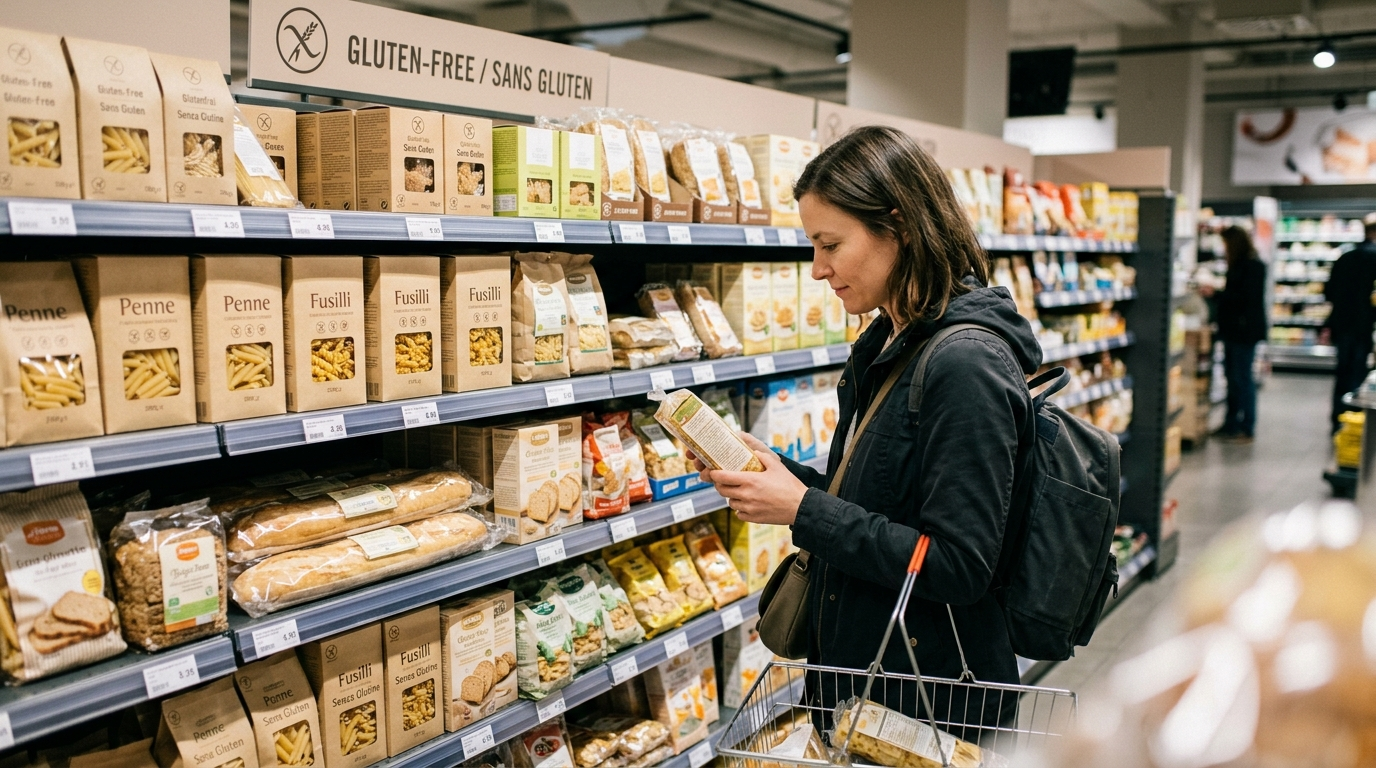
Visiting native supermarkets gives you a fascinating cultural look at regional food while providing safe staple items. Many European and South American grocery chains clearly label allergen icons right on front packaging by law. You can stock up on fresh fruit, cured meats, and regional gluten free snacks at everyday prices.
Locating a large Mercadona supermarket in Spain or a Coop in Italy reveals entire aisles filled with fresh certified gluten free breads and pastries. You can pack delightful daily picnic lunches for city parks and historic ruins. It turns food sourcing into an authentic travel highlight.
10. Carry Collapsible Travel Food Containers
Carrying your own clean meal containers lets you pack safe leftover portions from trustworthy restaurants for the next day. Collapsible silicone boxes take up virtually zero space in your luggage when folded flat. They allow you to bring safe meals onto day boats, bus tours, or trains where food options are scarce.
Packing durable Stasher silicone bags keeps sliced fruit, nuts, and leftover chicken cutlets sealed fresh in your daypack. They wash easily in hotel sinks and handle both cold storage and microwave reheating without degrading. Self-reliance on long excursion days prevents stressful emergencies.
11. Learn Key Allergy Phrases in the Local Language
Memorizing basic vocabulary for wheat, flour, barley, rye, and cross-contamination builds immediate rapport with local waitstaff. Speaking even rough phrases demonstrates respect for local culture and ensures workers understand the gravity of your request. It prevents casual misunderstandings when discussing hidden ingredients.
Using the Google Translate app with offline language packs lets you translate printed ingredient labels on convenience store packages using your phone camera. You scan snack wrappers instantly in convenience store aisles without needing an active data connection. It makes grocery stops fast, safe, and accurate.
12. Connect with Local Celiac Social Media Groups
Regional advocacy groups and local Instagram bloggers post up-to-date recommendations on newly opened dedicated bakeries and safe cafes. Reaching out to resident celiacs provides insider knowledge that general travel guidebooks completely miss. Utilizing community-driven easy travel eating tips for travelers with celiac disease helps you find hidden gems across any metropolis.
Browsing location tags on Instagram food accounts often leads you directly to artisan gluten free patisseries tucked into quiet residential neighborhoods. Local residents know which venues changed owners or altered fryer practices recently. That current intel keeps you several steps ahead of cross-contamination issues.
13. Order Custom Airline Meals Well in Advance
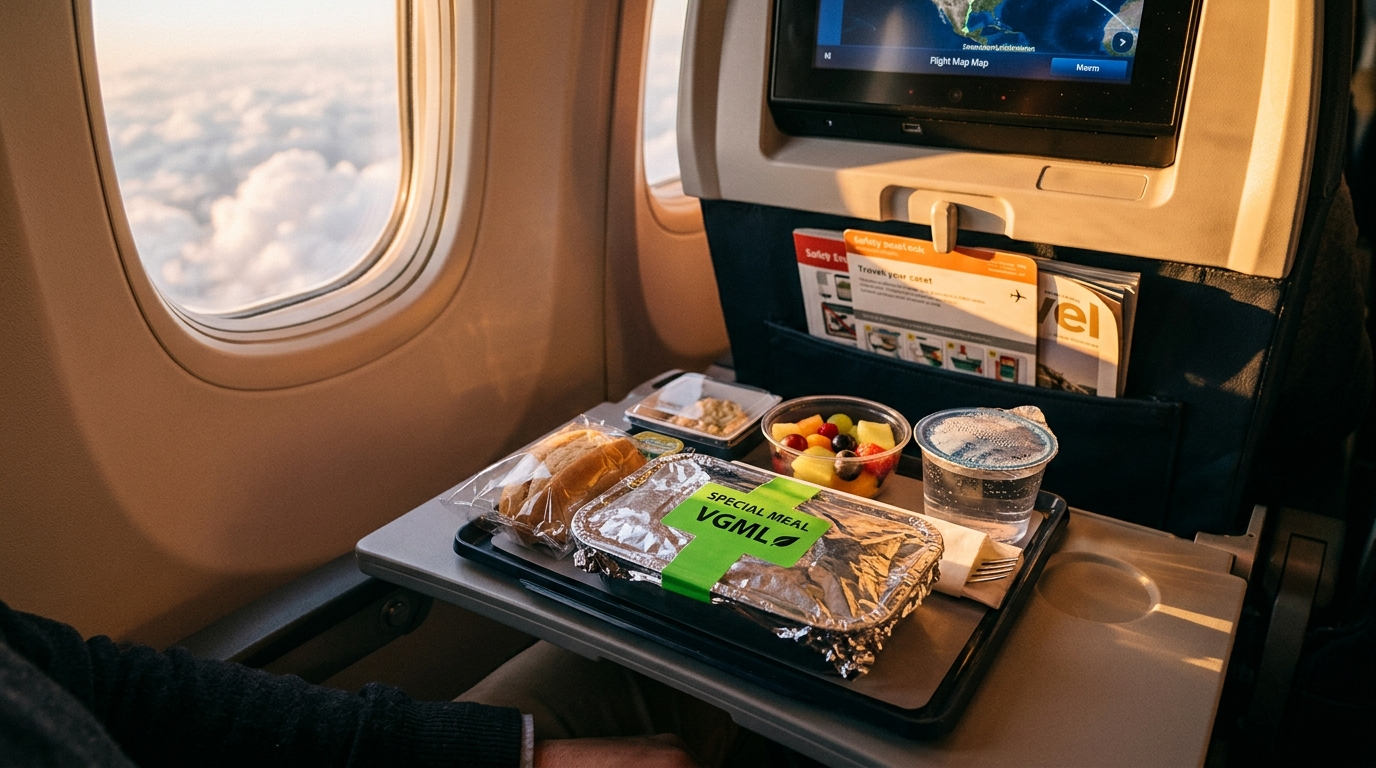
Long-haul flights become exhausting ordeals if airline catering forgets your special dietary requirements over oceans. Selecting the gluten-intolerant meal code (GFML) inside your airline booking portal at least seventy-two hours before departure is mandatory. It ensures the flight crew loads a sealed, certified meal tray specifically labeled with your seat number.
Confirming your GFML meal request at the airport check-in desk provides an essential double-check before boarding the aircraft. Always keep backup protein bars in your personal item just in case unexpected flight cancellations scramble catering logistics. Prepared travelers never depend entirely on airline ovens.
Frequently Asked Questions
How do I explain celiac disease cross-contamination to foreign waitstaff?
Use a professionally translated dietary card that explicitly details shared fryers, cutting boards, and cooking water. Hand the card to your server upon sitting down so they can pass it directly to the head chef. Budget Friendly Road Trip Hacks for Single Income Households.
Keeping the explanation polite, clear, and printed prevents language barriers and verbal misunderstandings.
What are the most reliable travel eating tips for celiac disease travelers flying internationally?
Request the gluten-intolerant special meal code through your airline account several days before departure, and confirm it at check-in. Always carry shelf-stable snacks like meat sticks, nuts, and protein bars in your carry-on bag. Never assume the airline meal will arrive if flight schedules or aircraft changes happen.
Which countries are the easiest and safest to visit with celiac disease?
Italy, Ireland, and Spain rank among the safest destinations due to strict national celiac screening laws and widespread restaurant training. Italy’s national celiac association trains thousands of pizzerias and trattorias, while Spain provides clear supermarket allergen labeling. These countries make finding certified gluten free dining remarkably stress-free.
How can I safely eat at hotel breakfast buffets without getting sick?
Avoid open serving dishes with shared spoons and steer clear of toaster stations where wheat crumbs scatter. Ask kitchen staff for pre-packaged items, whole unpeeled fruits, or fresh eggs prepared in a clean pan. Sticking to sealed yogurts and using your own toaster bags keeps morning dining safe.
What emergency supplies should I carry in case of accidental gluten exposure?
Pack oral rehydration salts, activated charcoal capsules, pain relievers, and anti-nausea medications in your personal travel kit. Carrying plenty of bottled water and herbal peppermint tea helps soothe sudden digestive inflammation. Having these supplies readily available lets you manage uncomfortable symptoms quickly in your hotel room without searching for pharmacies.
Conclusion
Managing celiac disease while seeing the world requires extra planning, but it should never stop you from booking that dream ticket. Pack your safety cards, lean on local gluten free communities, and savor every bite along the way. What country has treated your gluten free travel needs the best so far?

One thought on “Easy Travel Eating Tips for Travelers with Celiac Disease”